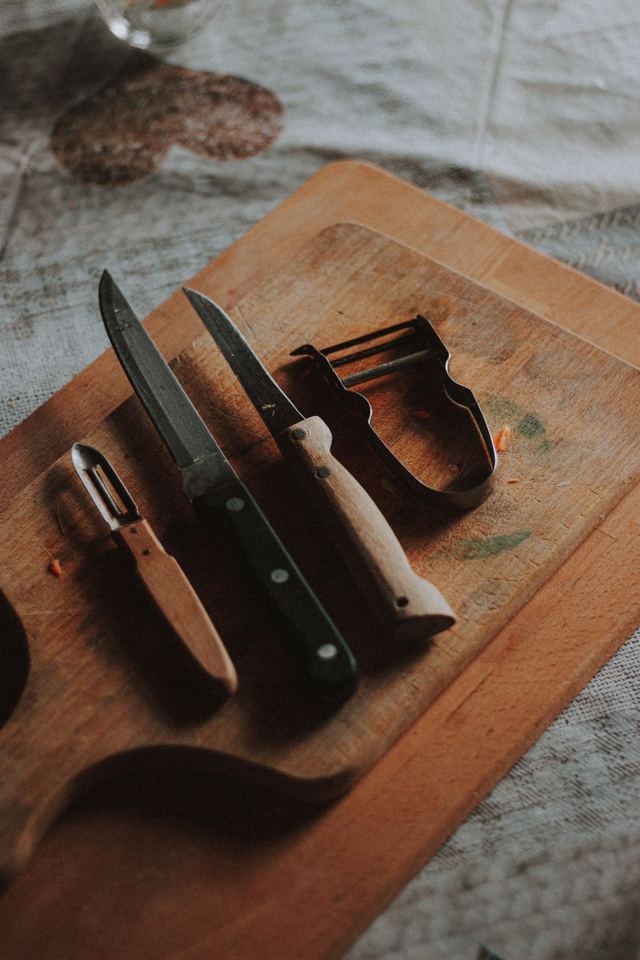
Kitchen & cooking
Equip a small kitchen with fewer, better tools
Find the tools you use every day, and leave the rest until a real cooking task calls for them.
Tools for the meals you actually make.
Find the tools you use every day, and leave the rest until a real cooking task calls for them.
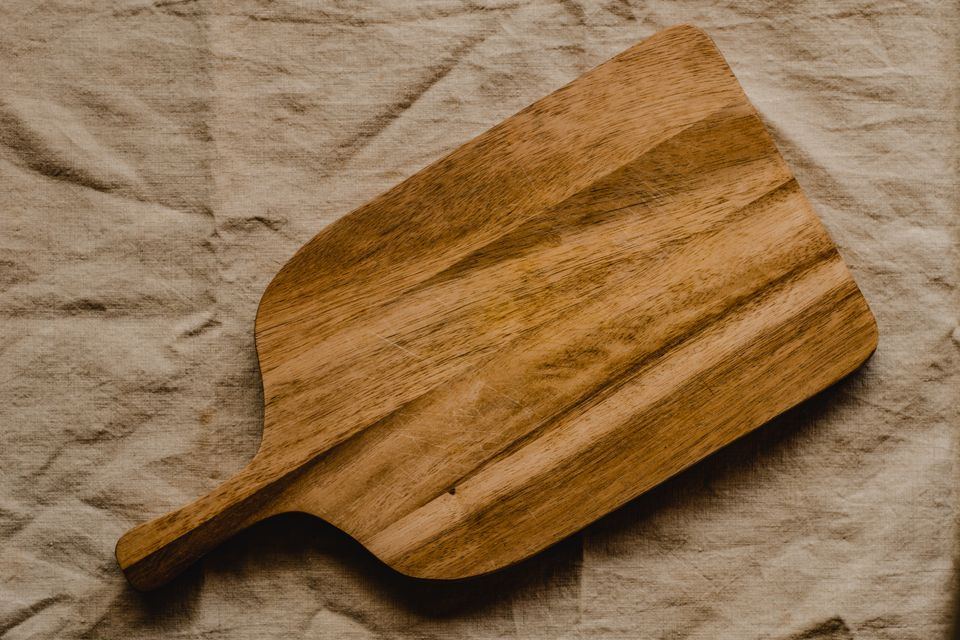
Choose around your worktop, washing routine and the ingredients you prepare.
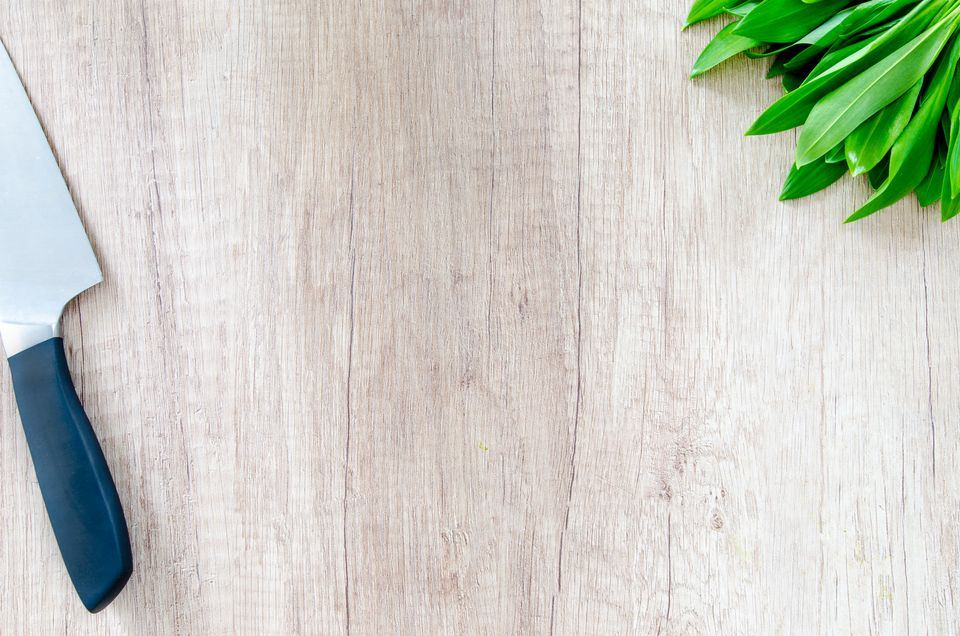
Grip, blade height and manageable length matter more than the number of knives in a set.
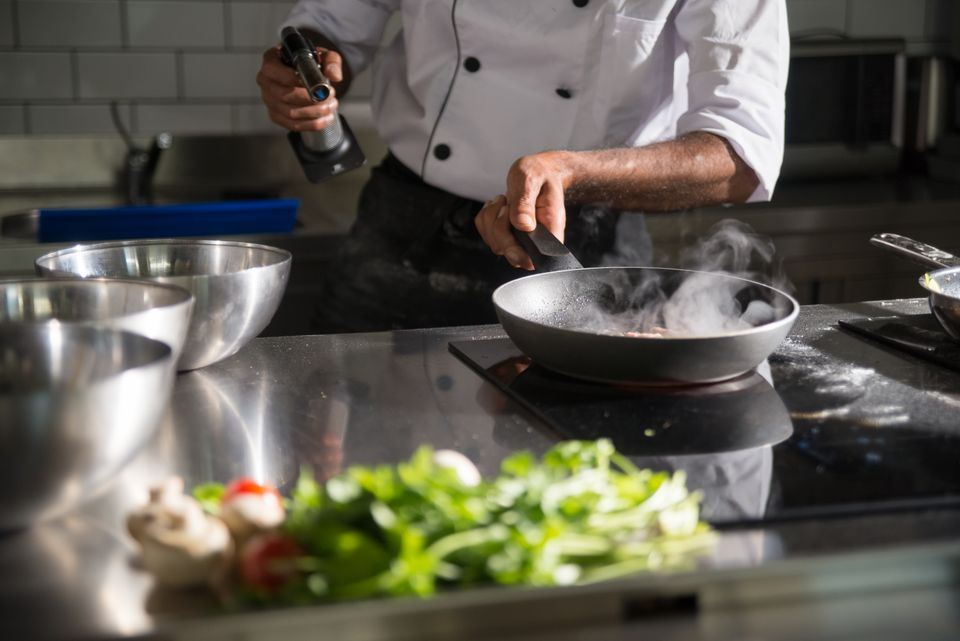
Compare the base, cooking zone and everyday portions before choosing the largest diameter.
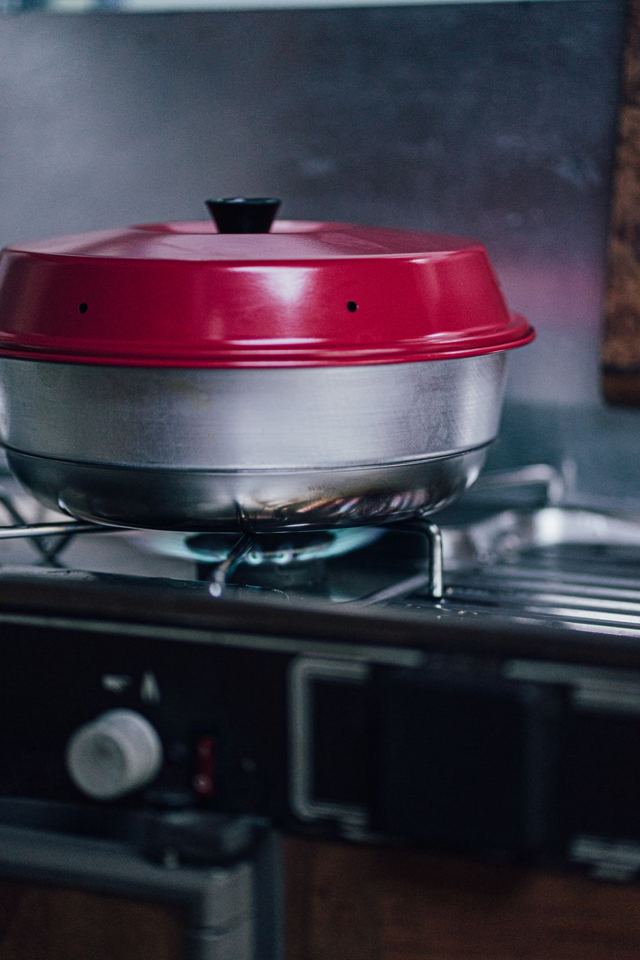
A useful pan is easy to fill, carry, empty and store in your own kitchen.
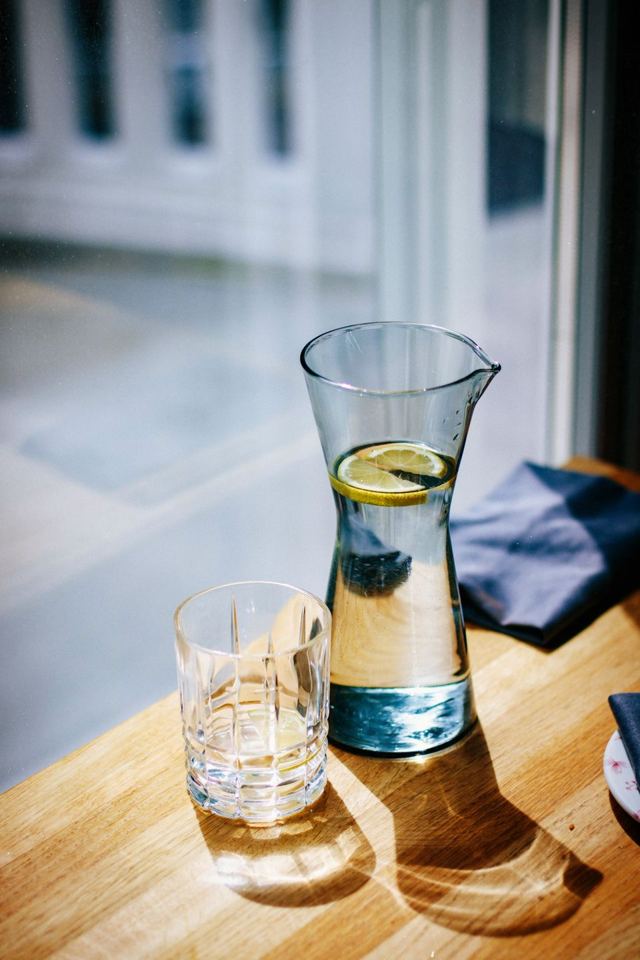
The opening, footprint and fridge clearance determine whether a carafe gets used regularly.
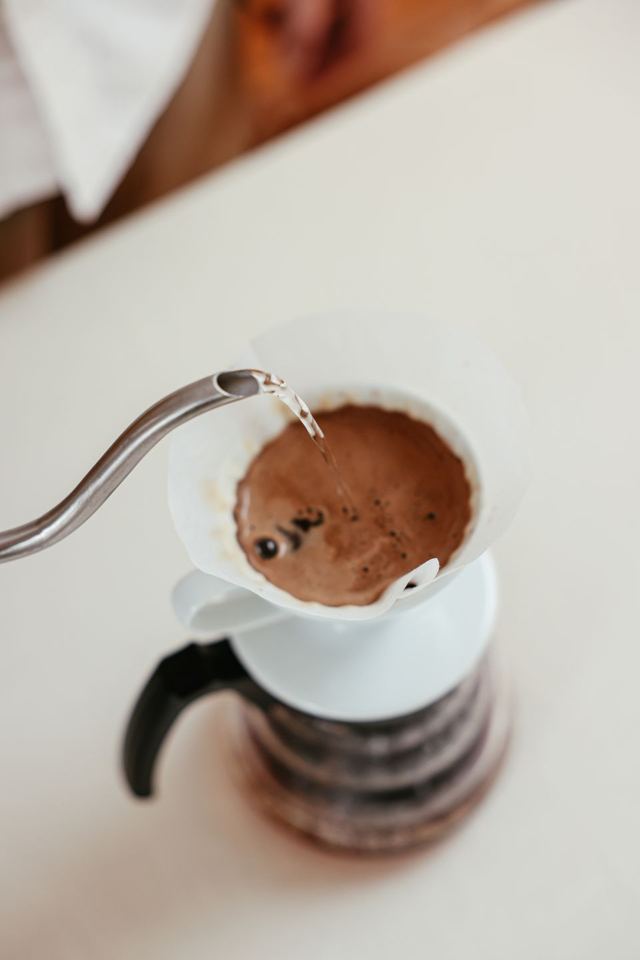
Begin with available filter papers, a stable fit and a capacity that suits your routine.
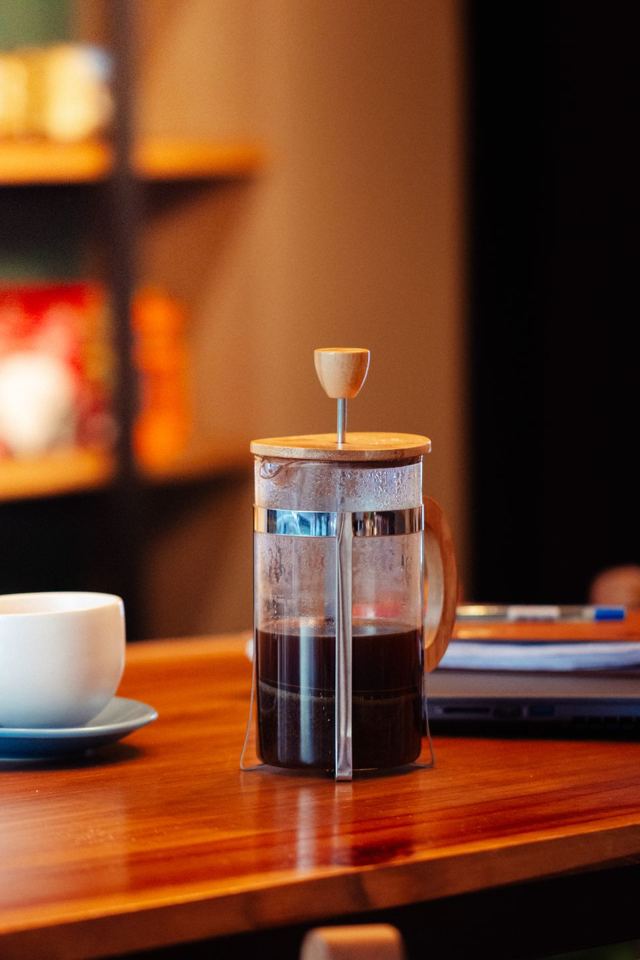
Choose the jug around your actual coffee quantity and access to its individual parts.
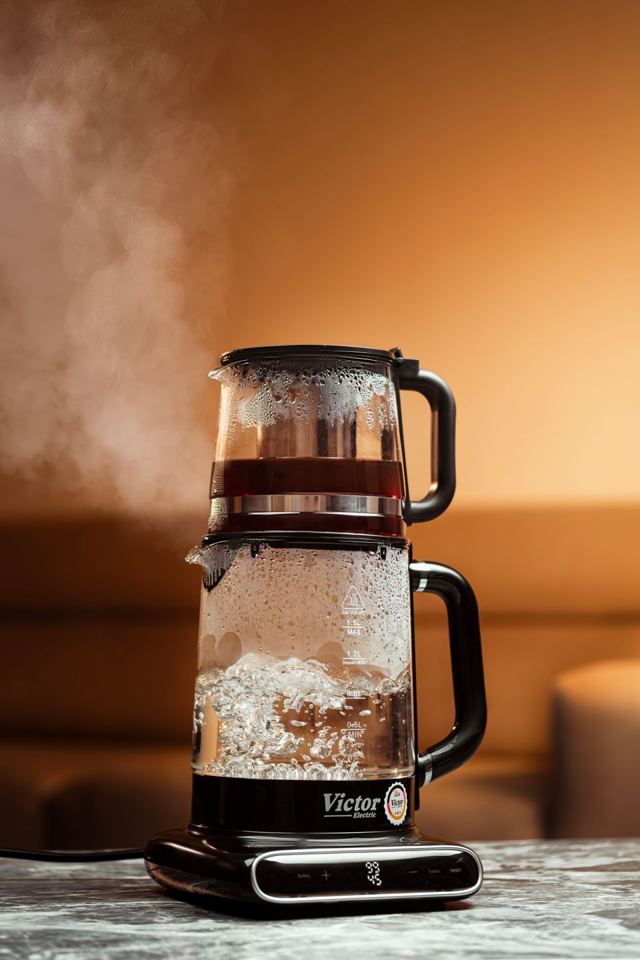
Fill levels, lid access and cable placement help you choose a kettle that works on your counter.
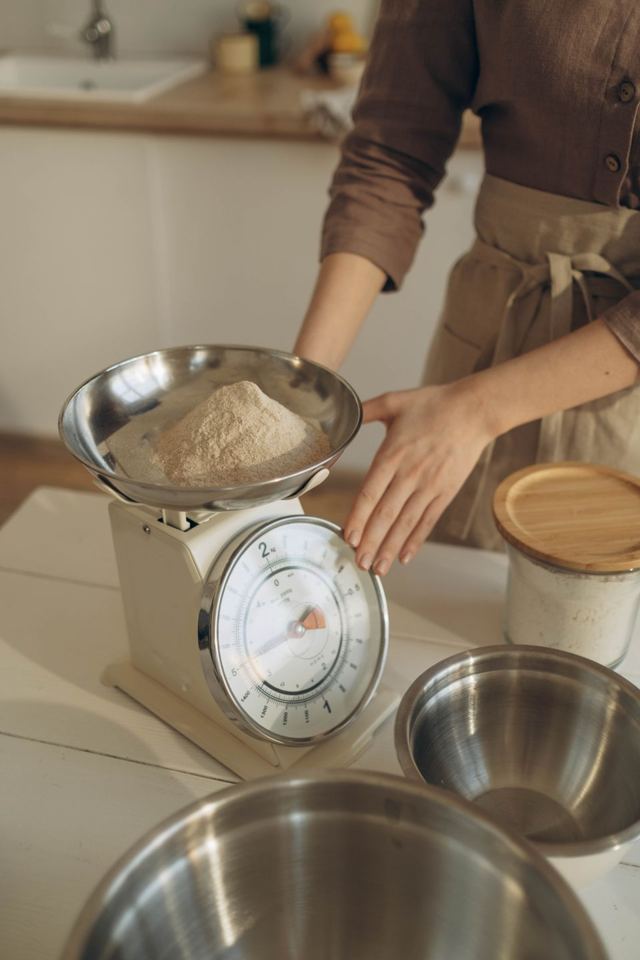
A visible display, convenient tare function and suitable platform matter more than special programmes.
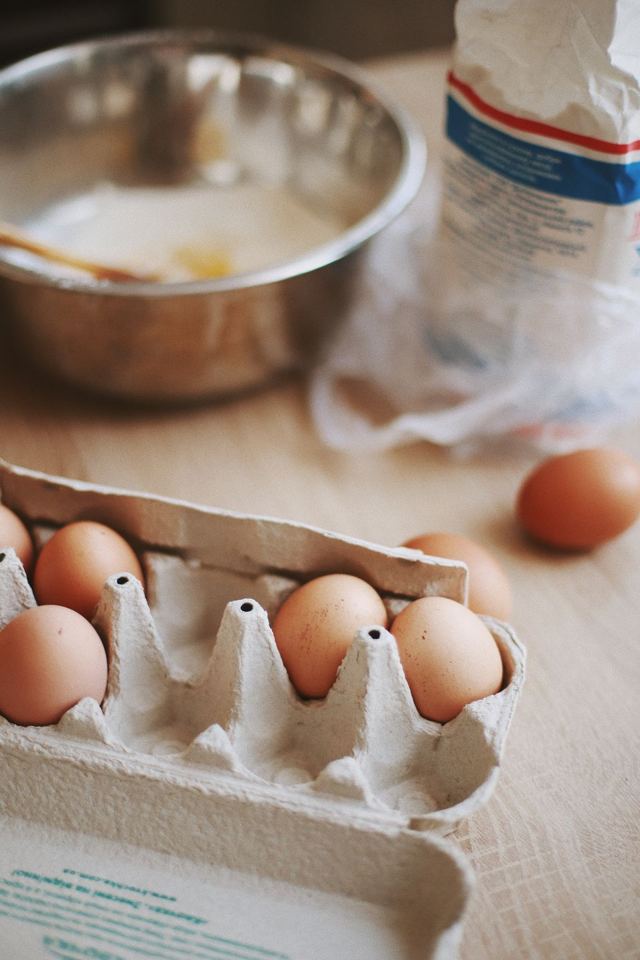
Two meaningfully different sizes may be more useful than a large set of similar bowls.
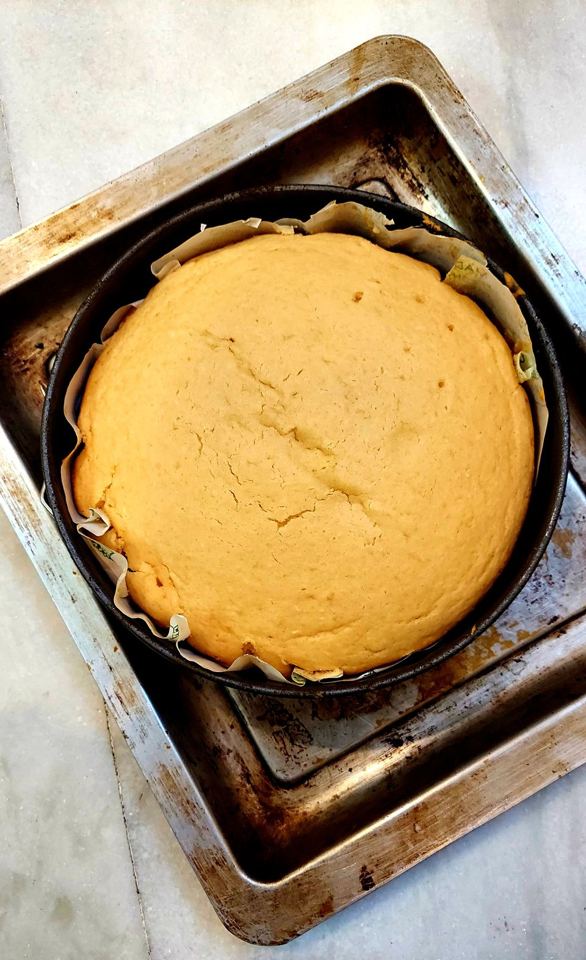
Start with familiar recipes, then check internal dimensions, closures and oven space.
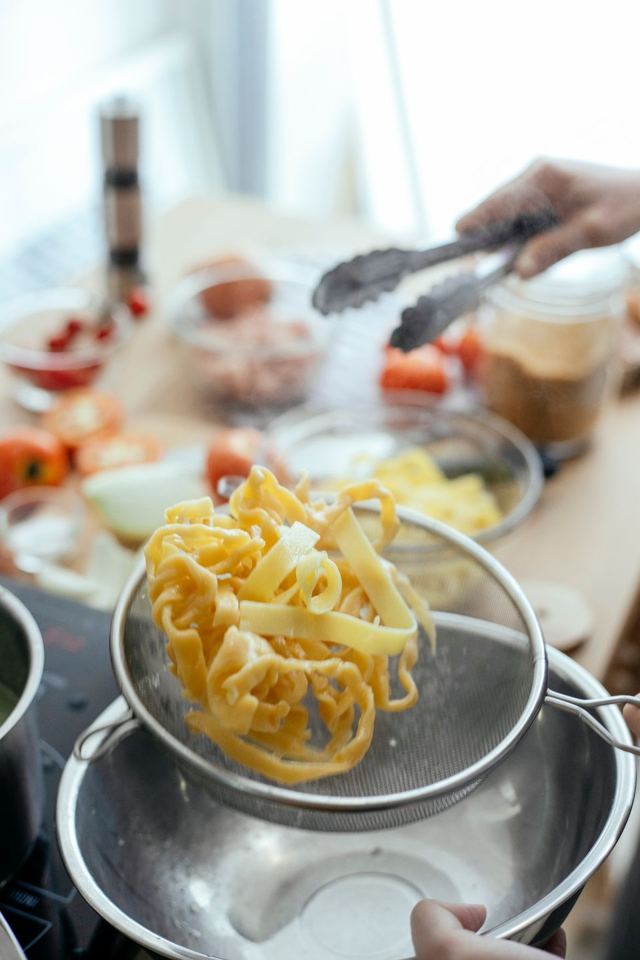
Your ordinary quantity helps decide between a large colander, a compact strainer and a folding design.

Cheese, citrus zest and vegetables call for different surfaces. Choose for the task you repeat most often.
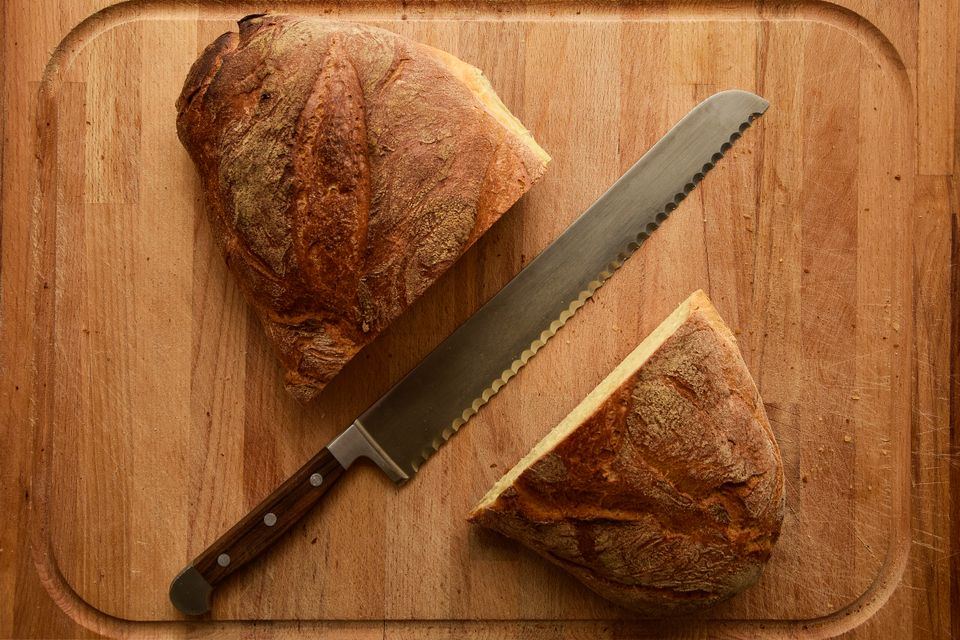
Blade length and board space help decide whether another knife makes everyday preparation easier.
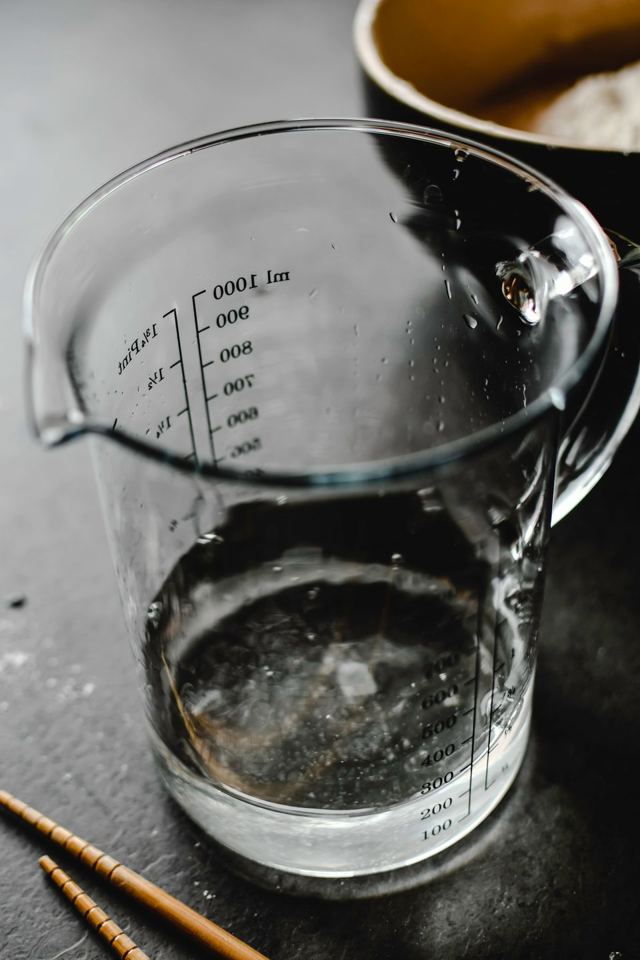
Assess viewing angle, pouring and scales against the quantities you actually measure.
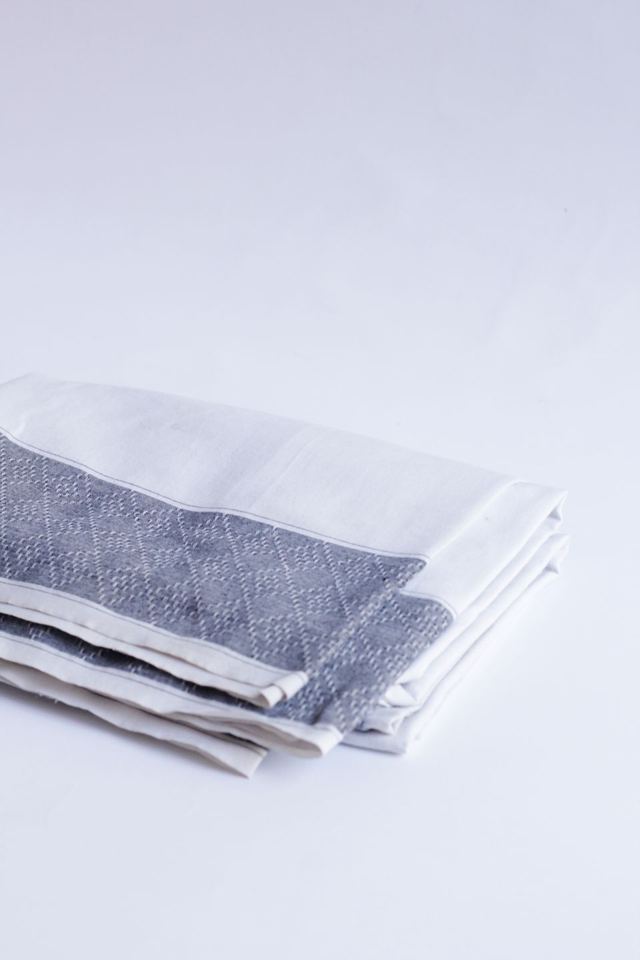
Size, weave and a suitable drying position matter more than buying a very large pack.
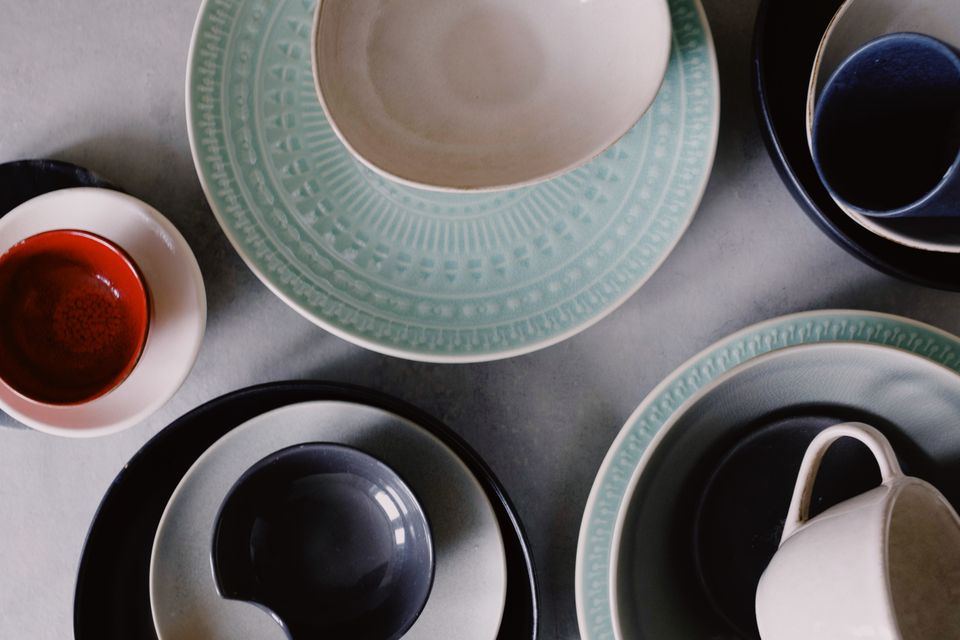
Overall diameter, stack height and dishwasher fit help you choose plates for everyday meals.
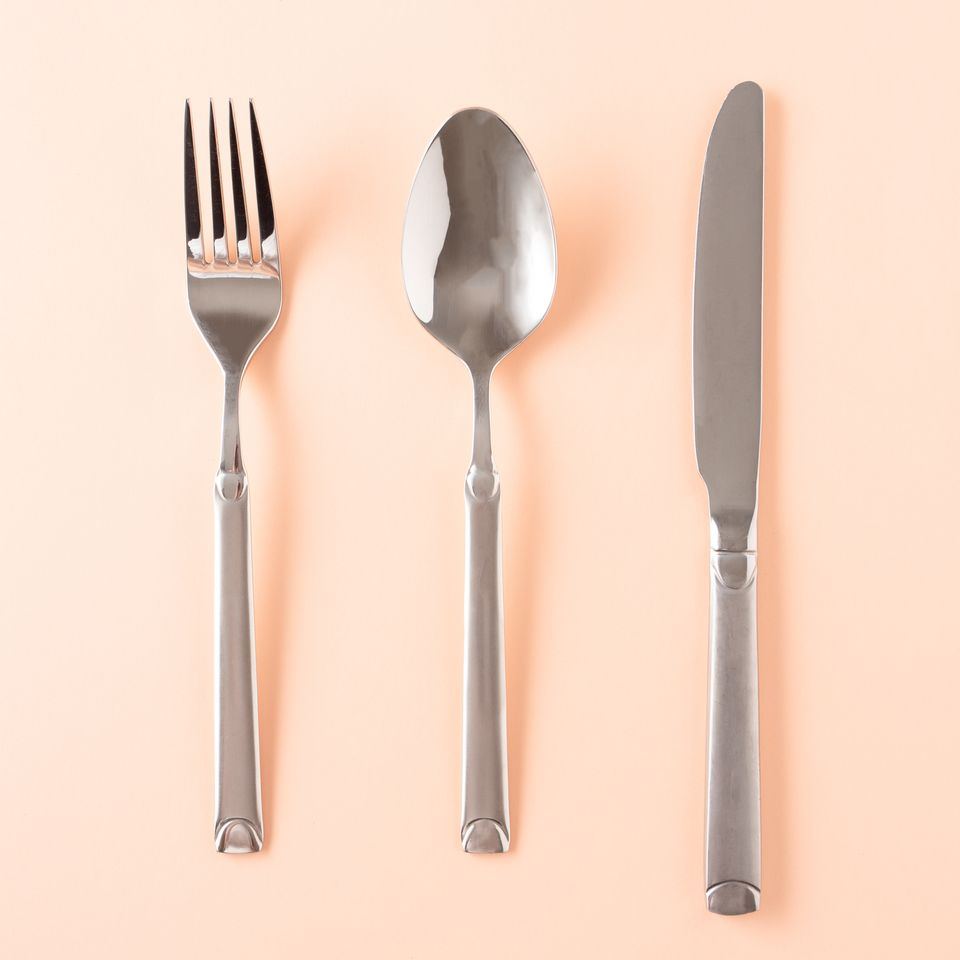
Assess the pieces you hold daily and compare sets using the place settings you actually need.