Size and material tend to attract attention when buying a saucepan. In everyday use, however, the lid and handles also determine how convenient cooking feels. Generous capacity offers little help if the full pan is difficult to lift or its lid has nowhere sensible to go in the cupboard.
Choose capacity around the dish
Consider whether you normally cook small vegetable portions, several servings of soup or long pasta. Stated total capacity is not an instruction to fill the pan to its rim. Allow the space you need for stirring and bringing food to the boil. Compare shapes too: a tall, narrow pot and a shallow, wide pan may hold similar amounts while occupying very different areas on the cooking surface.
Examine the space around the handles
Check whether you can grip the handles comfortably with your existing pan holders. Tiny openings can look space efficient but prove awkward when carrying food. Read the guidance about handles becoming hot and use the protection specified. For cupboard storage, measure the full width including handles. If you regularly move the pan between hob and sink, consider its empty weight and the route through your kitchen as well.
Decide what the lid needs to do
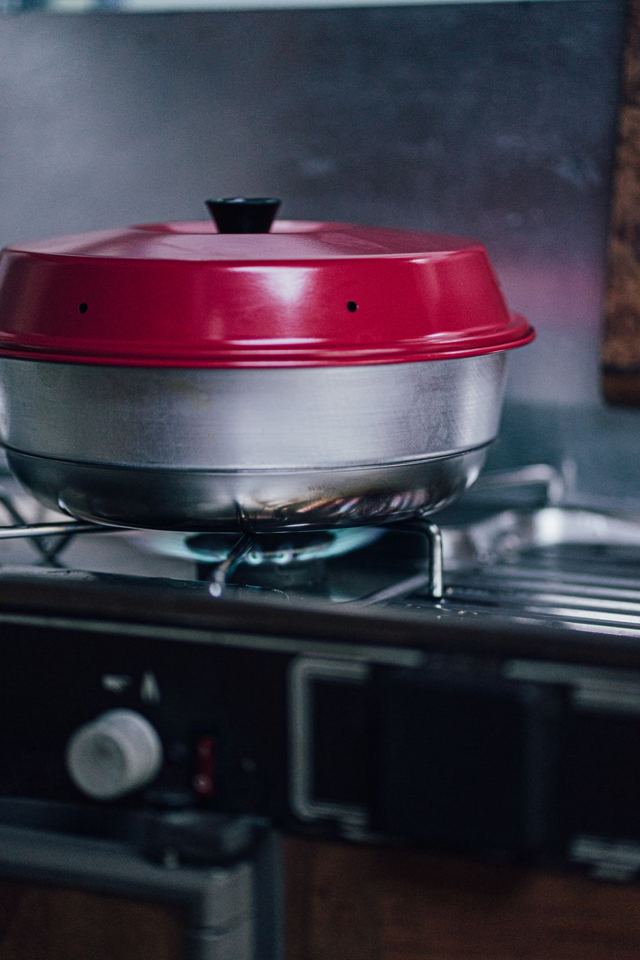
A glass lid lets you look into the pan, although steam means it will not always remain transparent. A metal version may be simpler to store without a delicate glass edge; the actual product still matters. Check whether the knob provides enough room to grip and whether all parts can be cleaned as instructed. A draining mechanism helps only when you can operate it comfortably and clean every opening.
Fill a gap instead of collecting sizes
First identify the size you repeatedly miss when cooking familiar meals. A set containing several nearly identical pots fills a cupboard without adding much capability. Every base must be explicitly suitable for your hob. If you also want oven use, read the temperature approvals for the pan and lid separately. Replacement lids may matter more than another tiny saucepan included in a promotional package.
Before you buy
- Allow working space above the food as well as capacity.
- Check access to handles while using pan holders.
- Measure overall width, empty weight and lid storage.
- Read hob compatibility and any oven approval carefully.
An everyday saucepan should suit the dish, hob and way you handle it. Give lids and handles the same attention as capacity.