A used piece may offer exactly the shape and size missing from your home. Make the decision only after checking practical details. Photographs usually show the most attractive side. Viewing the furniture in person or requesting specific additional pictures helps you assess the real effort involved before buying.
Follow the dimensions to their destination
Measure width, depth and height at the intended position. Allow for doors and drawers opening, as well as room to sit or walk past. A chest may fit into an alcove yet be unusable there because its drawers cannot open far enough.
Then check the route: the entrance, stairs, lift and apartment door may be narrower than the room. Ask whether legs or other components can be removed in accordance with the manufacturer’s instructions. Assuming something can be dismantled is not a reliable transport plan.
Try all moving parts
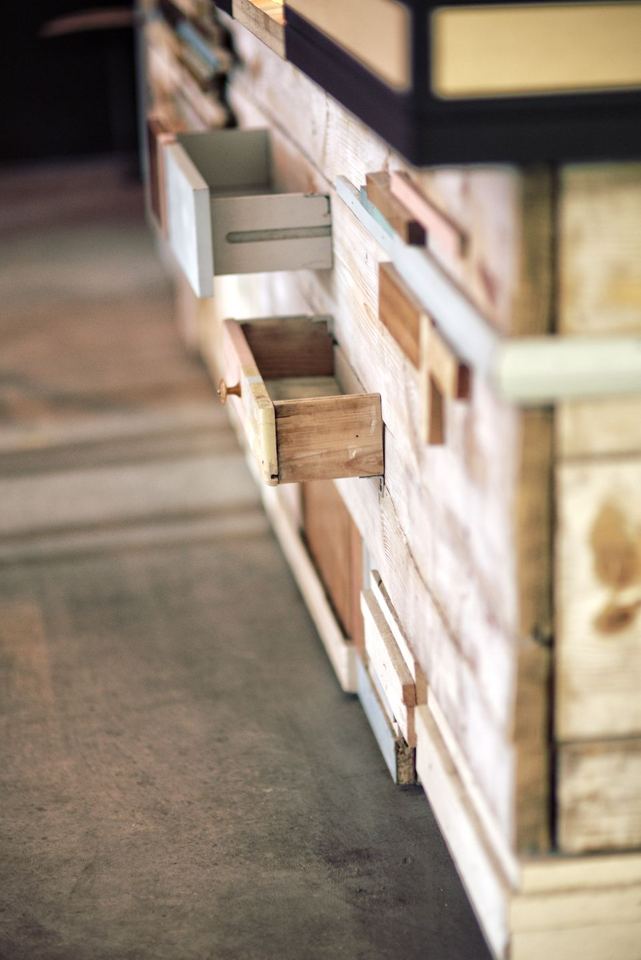
Open every drawer and door. Look for rubbing, misaligned runners, missing fittings and loose handles. Carefully assess seating on a level surface. Obvious wobbling or movement at joints is more than a cosmetic flaw.
Look at the back and underside where they can be reached without unsafe lifting. Photograph anything concerning. Small surface scratches need a different assessment from damaged joints or swollen panels. If stability is unclear, an informed professional opinion is more useful than assuming a quick repair will work.
Consider smells and cleaning work
Ask to lift cushions and open cupboard doors. Assess unusual smells, stains and visible marks on fabric or wood. Nobody can guarantee in advance that cleaning will remove an odour. Avoid buying on the assumption of a certain result that has not been checked.
Read any remaining care instructions and ask about known damage. Plan only work whose effort you can reasonably assess. A piece requiring extensive refurbishment is a different project from a chest you can use immediately.
Write down the total effort
Add transport, any carrying assistance and genuinely necessary replacement parts to the purchase price. Before collection, agree who will dismantle the piece, which tools are needed and whether all fittings are included. Photograph components before dismantling and keep small fittings in labelled containers. Then compare the total effort with an alternative that is truly similar in condition and function.
Before you buy
- Measure the position and transport route.
- Check doors, drawers and joints.
- Assess smells and visible damage.
- Include transport and remedial work.
A good used piece does more than fit the room. Its condition and the journey there must also work for your everyday life.