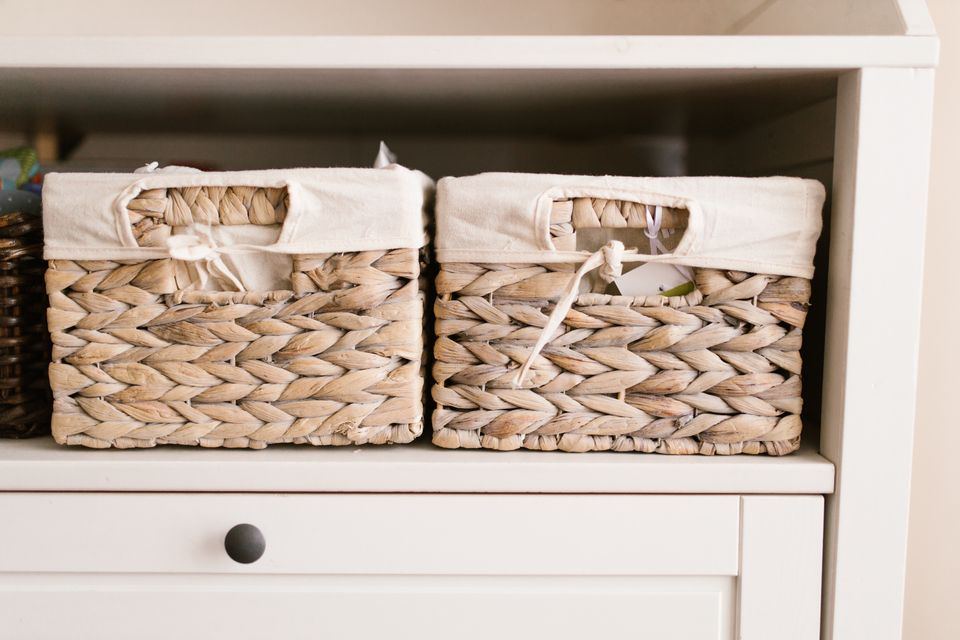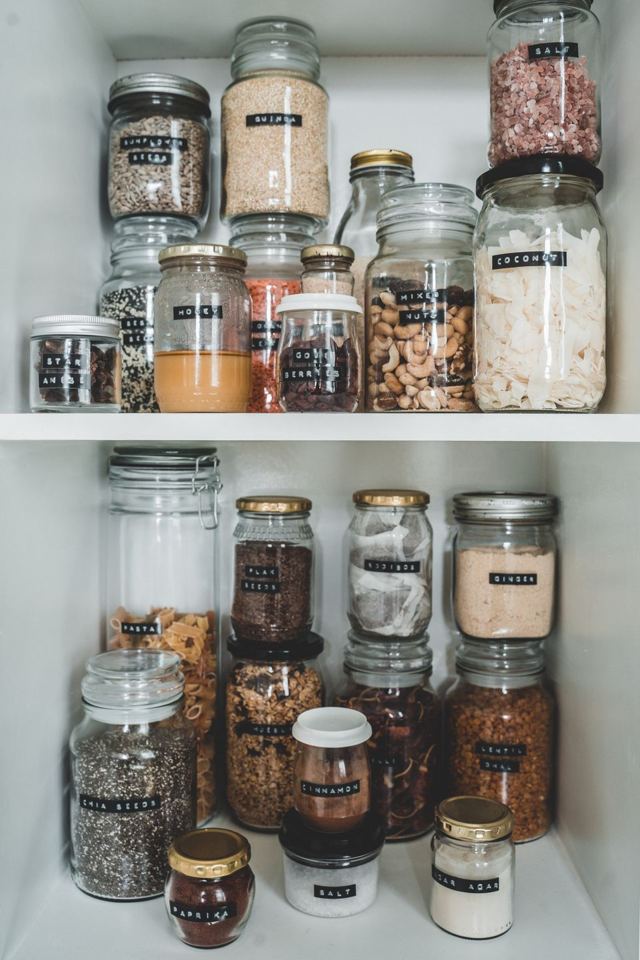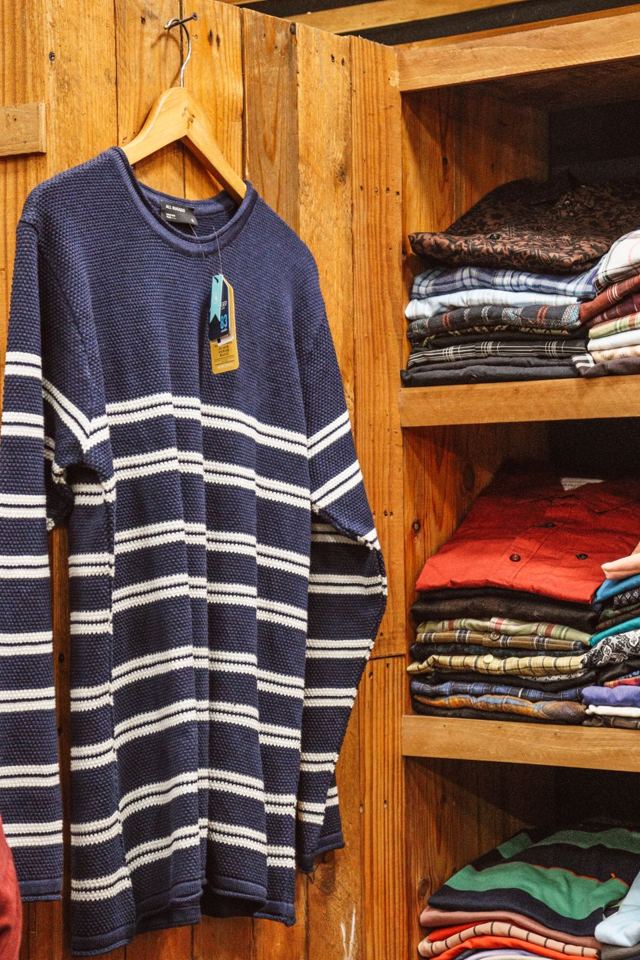
A full wardrobe does not automatically mean more storage boxes are missing. Infrequently worn clothes may occupy the best positions, or separate stacks may conceal one another. Begin with what is already inside. Once you know what should stay and how it is used, you can decide whether another container has a real job.
Sort manageable groups
Remove one group first, such as tops or trousers. Assess what you wear, what needs alteration and what no longer suits your routine. One completed area is more useful than a fully emptied wardrobe that you refill untidily because time runs out.
Keep repairs and undecided items visibly separate from ready-to-wear clothes. For an alteration, write down the specific task. An unresolved decision drawer should not permanently occupy the best space. Give it a realistic review date and a limited area.
Choose hanging and folding around use
Follow clothing care instructions and consider how you retrieve individual pieces in the morning. Tall stacks may initially look neat but become awkward when you regularly want the bottom item. Smaller groups or a different folding arrangement may improve access.
Put frequently worn pieces at a comfortable height. Clothing for rare occasions can stay farther back if protected and easy to find. Do not follow a decorative colour order alone if it separates clothes you use together.
Measure the remaining spaces
Measure usable width between hinges and sides, plus the clear height beneath the shelf above. A box also needs room for your hand and its handle. A footprint that fits on paper is of little use if you cannot take the container out.
Give every potential box specific contents. Small accessories may benefit from divisions. Large folded textiles often need a broad, accessible area rather than many narrow compartments. Try the arrangement first with a suitable container you already own.
Make returning clothes straightforward
Organisation is easier to maintain when you can put clean clothing away without rearranging everything. Leave some spare room in compartments and along the rail. Label closed seasonal containers and record their location. The next laundry load will reveal whether the new arrangement works. Add accessories only where a clearly describable problem remains, such as small items slipping around or a tall compartment being poorly used.
Before you buy
- Work through one clothing group at a time.
- Separate ready-to-wear clothes from open decisions.
- Measure usable compartments and grip clearance.
- Assign specific contents to new boxes.
A wardrobe becomes more useful when storage follows the clothes you own. New boxes are one possible addition after that decision.