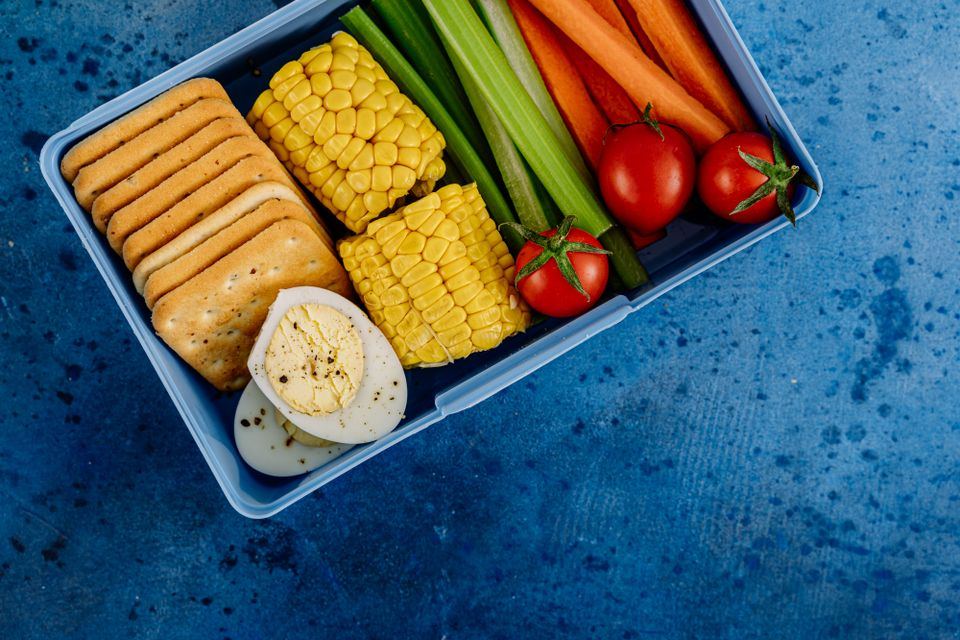
A box for sandwiches has different requirements from a container for pasta with sauce. Start with three typical lunches. Consider what needs to stay separate, how you eat away from home and whether the box fits your bag. An attractive arrangement of compartments does not turn an unsuitable shape into a good everyday solution.
Look at the contents rather than litres
Put your usual sandwich or a comparable portion into a container you already own. This reveals the base area and height you need. A tall narrow box may have the same volume as a flat one but hold a sandwich less conveniently.
Allow for cutlery and small accompaniments too. If you need a separate compartment only occasionally, a removable insert may suffice. Numerous fixed divisions are awkward if you often want to pack one larger, undivided portion.
Distinguish dividers from the closure
A partition between two compartments does not automatically prevent liquid moving between them during transport. Read whether the description promises separation for solid contents only or for liquids too. The suitability of the outer closure is another, separate question.
Open and close the lid according to the instructions, checking that every fastening is manageable. If the box is designed for liquid contents, you can first practise handling it with water over the sink. This does not replace the manufacturer’s specifications or following the intended transport method.
Plan the journey to lunchtime
Measure the bag compartment where the box will sit. For food requiring chilled storage, plan suitable transport and storage at your destination. Follow the food’s storage instructions. An ordinary lunch box is primarily a container, rather than a complete cooling solution.
If you want to reheat meals, check the expressly stated suitability of each component. The lid and inserts may have different instructions from the body. A metal container and a plastic box cannot simply be used in the same way.
Build cleaning into the daily routine
Look at corners, seals and removable inserts. Every area should be accessible for cleaning and subsequent drying as instructed. With daily use, a complex box may create more work than two simple containers. Look for a matching replacement lid if needed. Begin with one appropriately sized box, adding further sizes only when a specific need appears in everyday use.
Before you buy
- Use three typical meals as your reference.
- Check the footprint and height with real portions.
- Assess dividers and outer closure separately.
- Plan transport, storage and care before buying.
The right lunch box keeps your usual meal together conveniently. Size, closure and cleaning effort matter more than an elaborate compartment arrangement.